Can AI be used to decode the immune system’s hidden data to detect diseases more accurately than traditional methods? By analyzing immune cell patterns, this emerging research could redefine how we classify and treat conditions like lupus and diabetes, as well as numerous autoimmune diseases. If our immune history holds the key to better diagnosis and personalized treatment then AI can help open the doorway to a healthier future for humanity.
Machine learning algorithm decodes immune system’s hidden data for disease detection, as reported by Stanford Medicine, brings to light an innovative approach to diagnosing diseases by tapping into the wealth of information stored in our immune systems. Researchers at Stanford Medicine have developed a machine-learning-based technique, known as Mal-ID, which uses the immune system’s B and T cell receptor sequences to accurately identify various diseases, including COVID-19, lupus, and Type 1 diabetes, among others. This method was tested on nearly 600 participants, demonstrating impressive accuracy in pinpointing disease states. The study highlights the potential of Mal-ID to not only diagnose but also track responses to treatments and identify divisions within diseases that could inform personalized therapies.
What makes this development particularly intriguing is its foundation in large language models, similar to those used in AI-driven text generators like ChatGPT. By training these models on protein sequences, the researchers were able to identify patterns in immune receptor sequences, offering insights into the immune system’s historical responses to diseases. This approach provides a new lens through which to view our immune system, potentially uncovering previously hidden signatures of disease and treatment responses. The collaboration between experts in pathology, genetics, and computer science underscores the interdisciplinary nature of this milestone.
Why It’s Notable
This research stands out because it offers a fresh perspective on disease diagnosis by making use of the immune system’s natural record-keeping abilities. The immune system, with its B and T cells, constantly monitors our bodies for threats, creating a complex history of encounters with pathogens and vaccines. Mal-ID taps into this history to provide a more all-encompassing view of an individual’s disease state. This could lead to more accurate diagnoses and customized treatments, especially for complex autoimmune diseases that are notoriously challenging to diagnose and manage.
Benefits
The potential benefits of this technology are vast. By providing a more accurate diagnosis of diseases, Mal-ID could lead to more precise and effective treatment plans, reducing the trial-and-error approach often seen in managing autoimmune conditions. Additionally, the ability to track responses to cancer immunotherapies could transform how these treatments are monitored and adjusted over time. This approach could also pave the way for identifying new therapeutic targets, offering hope for conditions that currently have limited treatment options.
Concerns
Despite its promise, there are challenges to consider. The complexity of immune receptor sequences means that significant computational power and expertise are required to accurately interpret the data. Additionally, the technology’s reliance on large datasets raises questions about data privacy and the need for strong security measures to protect sensitive health information.
Possible Business Use Cases
- A startup could develop a diagnostic platform that uses Mal-ID to offer personalized health assessments and treatment recommendations for autoimmune diseases.
- A company could create a service for pharmaceutical firms to use Mal-ID in optimizing clinical trial designs by identifying patient subgroups most likely to benefit from specific treatments.
- An enterprise could offer a subscription-based health monitoring service that uses Mal-ID to track individuals’ immune responses to vaccines and infections over time.
As we explore the potential of Mal-ID and similar technologies, it’s important to consider the benefits against the challenges they present. The promise of more accurate diagnoses and personalized treatments is enticing, but we must navigate the intricacies of data interpretation and privacy. By encouraging collaboration between disciplines and maintaining a focus on ethical considerations, we can utilize these innovations to improve health outcomes while addressing the concerns that accompany such advancements.
—
You can read the original article here.
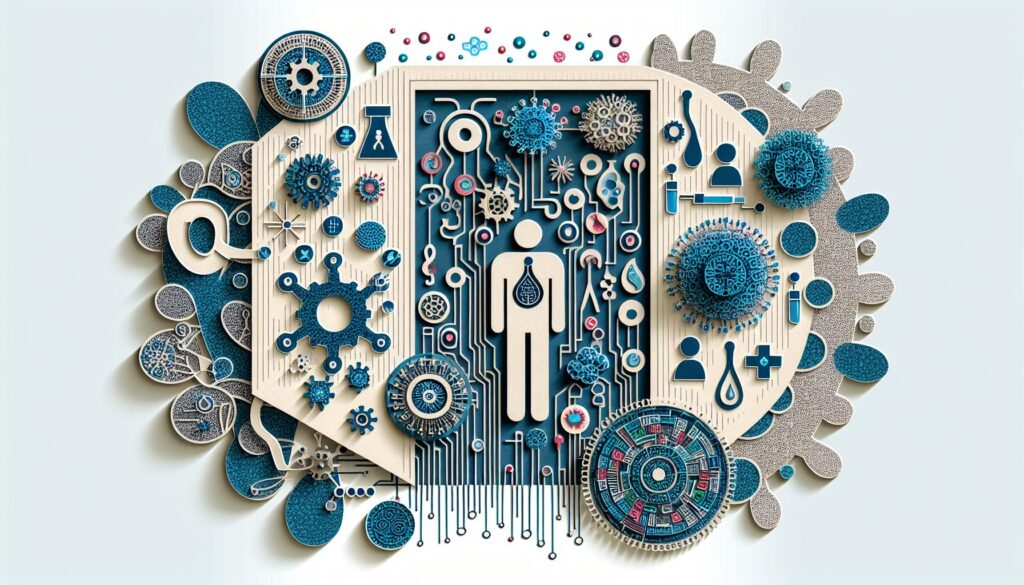
Image Credit: DALL-E / Style: Layered Paper. Make a custom style AI image HERE!
—
I consult with clients on generative AI-infused branding, web design, and digital marketing to help them generate leads, boost sales, increase efficiency & spark creativity. You can learn more and book a call at https://www.projectfresh.com/consulting.