How AI Can Help Cut Global Climate Emissions
AI is often criticized for its energy demands, but what if it could do more good than harm? From optimizing renewable energy to revolutionizing transportation

AI is often criticized for its energy demands, but what if it could do more good than harm? From optimizing renewable energy to revolutionizing transportation

Businesses are finding creative ways to incorporate AI agents, transforming how tasks are handled, decisions are made, and processes are improved. From software development to

What if the systems we rely on—how we learn, stay healthy, and move through cities—weren’t just improved but entirely rebuilt? AI offers more than tweaks;

As artificial intelligence continues to evolve, its true impact on organizations depends less on the technology itself and more on the leadership guiding its use.

Artificial intelligence has woven itself into the fabric of daily life, from work tasks to personal projects. Its rise has come with both promise and

AI holds the promise of easing workloads, but making it work isn’t about doing everything at once. Choosing the right tasks to automate can boost
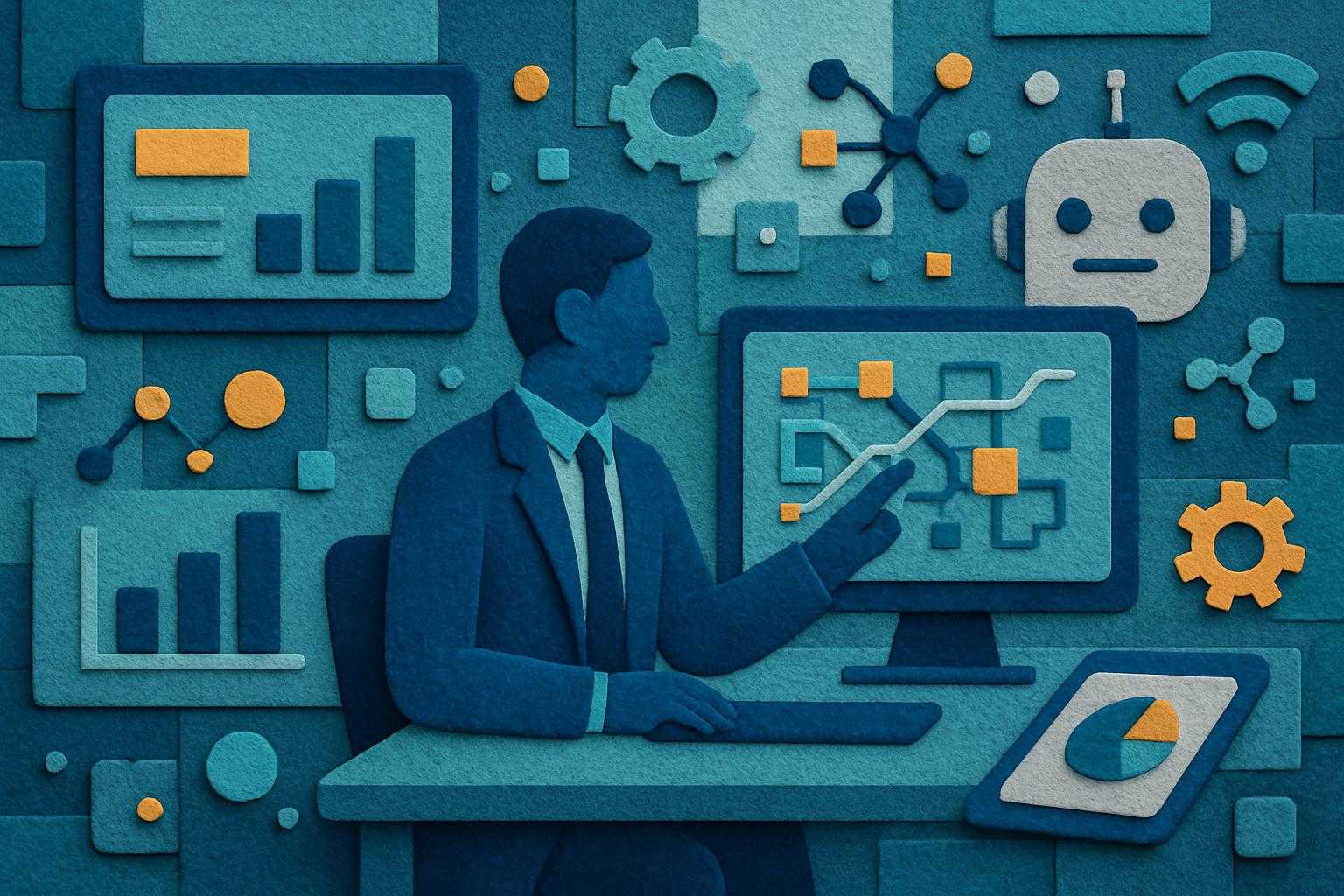
AI tools promise speed and efficiency, but without careful planning, they can create more problems than they solve. How can businesses adopt these technologies in
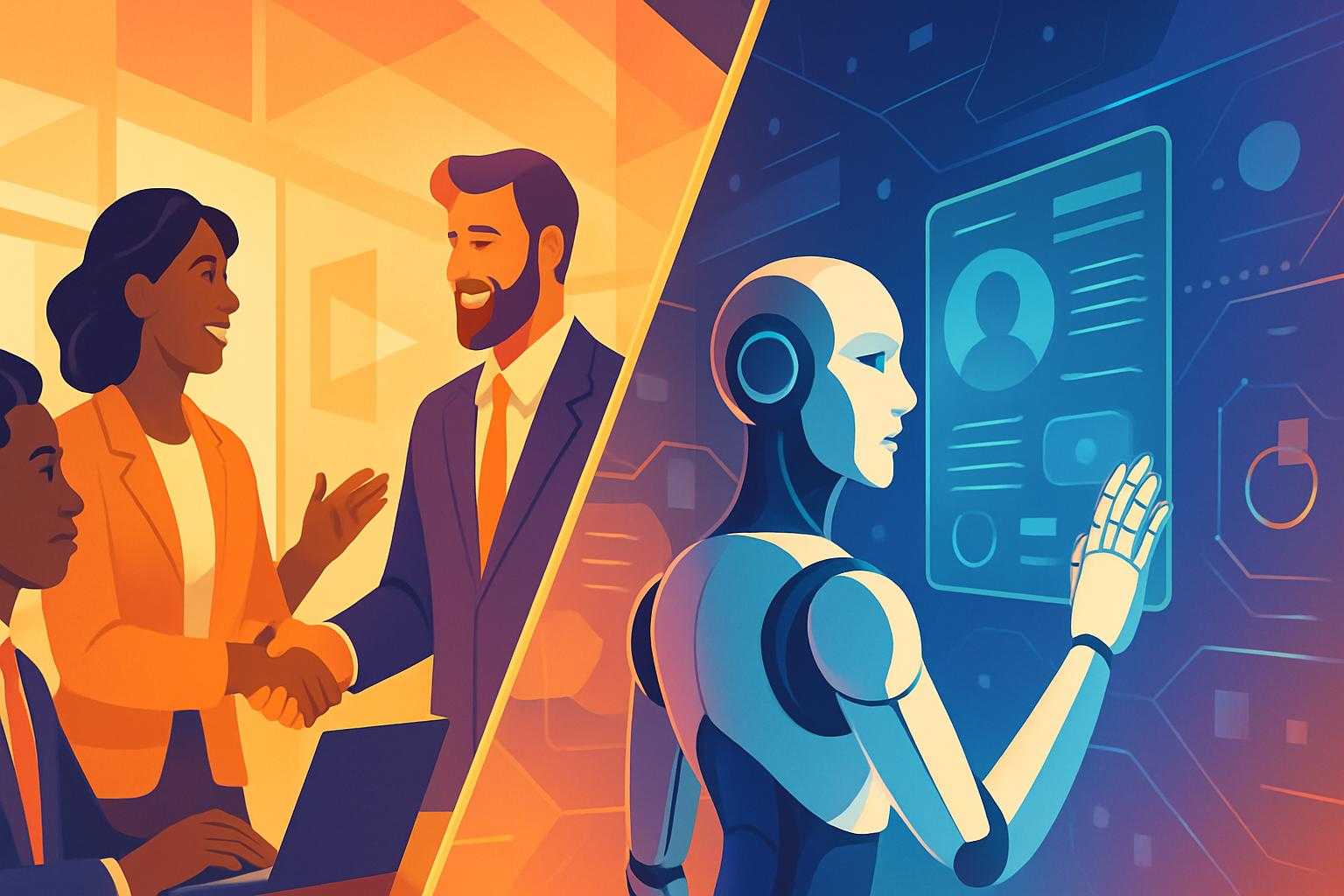
The workplace is changing, and artificial intelligence is at the center of it. While efficiency is improving, what really stands out are the areas where

Modern businesses are investing heavily in AI, but outdated, disconnected systems often stand in their way. Without addressing how data flows between platforms, even the
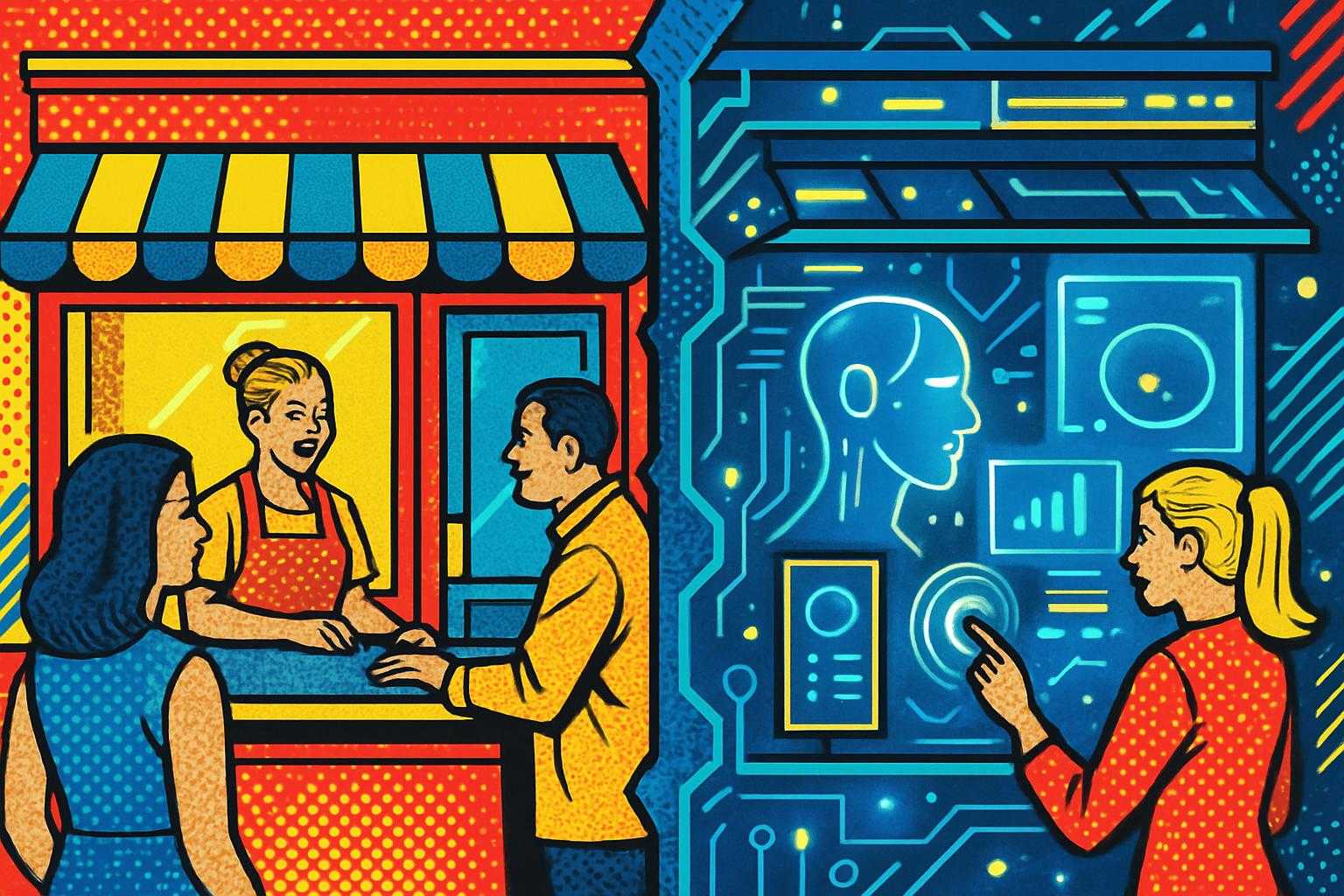
Small businesses are rewriting the rules of competition by looking to artificial intelligence not just to save time, but to stay relevant. As more owners