We used to hear, “AI is going to dehumanize us.” But lately, that script is flipping—what if AI can actually help us become more human?
Here’s what I mean: a lot of people struggle with communication. They’re distracted, rushed, or simply lacking in empathy. Now imagine a future where tools like AI help sharpen those very skills—improving how we connect, express ourselves, and reduce stress so we can be more present in real-life interactions.
Let’s start with one of the most time-strapped, emotionally demanding jobs out there: a busy doctor’s bedside manner. What happens when tech helps bring more humanity to the conversation?
A recent article titled “Health care providers turn to AI to help doctors connect more personally with patients: Mission Possible” looks at how Northeast Ohio medical facilities are using AI solutions to reduce physician burnout and improve patient care.
The Cleveland Clinic and MetroHealth are spearheading this change by introducing AI-powered tools that handle administrative tasks. At the Cleveland Clinic, doctors are using an AI scribing tool that records and transcribes patient conversations directly into electronic medical records. The system also chose Akasa, an AI platform to improve coding accuracy between patient care and billing.
MetroHealth selected the Pieces AI platform, which works with electronic health records to give medical staff a full view of patient history. Both healthcare systems stress that human oversight remains critical in all AI implementations.
Why It’s Important
Medical professionals often divide their time between patient care and administrative work. The AI tools let doctors focus more on patient interactions instead of typing notes during appointments. Dr. Dylan Timberlake of Cleveland Clinic says the AI scribe helps him maintain eye contact with patients and have more natural conversations.
Benefits
- Doctors spend less time on documentation and more time with patients
- Better accuracy in medical records and billing
- Reduced after-hours work for medical staff
- More complete patient history available to clinicians
Concerns
- Need for careful testing and validation of AI systems
- Patient privacy and consent requirements
- Maintaining appropriate human oversight of AI tools
Possible Business Use Cases
- A mobile app that converts doctor-patient conversations into structured medical notes with built-in privacy controls
- An AI system that reviews patient records to help medical staff spot patterns and potential issues
- A platform that simplifies medical billing by automating coding and documentation processes
The medical field is at a point where technology meets human care. While AI tools show potential in reducing administrative burden and improving efficiency, the focus stays on enhancing – not replacing – the doctor-patient relationship. Success depends on finding the right balance between technological assistance and personal medical care, with patient welfare as the main priority.
—
You can read the original article here.
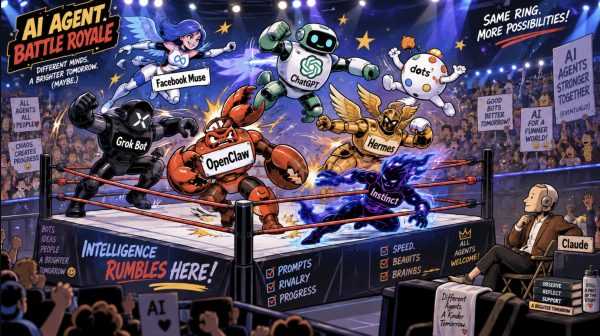
Image Credit: GPT Image 1. Make a custom style AI image HERE!
—
I consult with clients on generative AI-infused branding, web design, and digital marketing to help them generate leads, boost sales, increase efficiency & spark creativity.
You can learn more and book a call at